Design and build a lightweight 3D-printed Y3 VTOL UAV that can take off and land vertically, then transition into efficient fixed-wing flight. The aircraft will use three brushless motors, with the front motors mounted on tilting mechanisms that rotate between vertical-flight and forward-flight positions. No prior UAV experience required.

The final goal is to produce a functional prototype capable of stable vertical takeoff, hover, transition to fixed-wing flight, and controlled landing. We will build a complete Y3 VTOL UAV with a 3D-printed airframe, carbon-fiber structural components, tilting motor assemblies, onboard flight controller, sensors, and FPV capability. Flight data such as airspeed, altitude, battery usage, motor output, and vehicle orientation can also be recorded and analyzed to improve later versions of the aircraft. We are looking for students interested in mechanical design, electronics, robotics, programming, aviation, or simply learning how UAV systems work.
CAD design of the airframe and the motor-tilting mechanism.
3D print and fabricate the motor-tilting mechanism, then the airframe, and integrate the propulsion system, flight controller, GPS, radio receiver, and onboard sensors.
Test the tilting mechanism and the integrated systems on the ground.
Work up to vertical takeoff, hover, transition to fixed-wing flight, and controlled landing.
Use recorded flight data to improve the next version.
Write up the design, build, and test results.
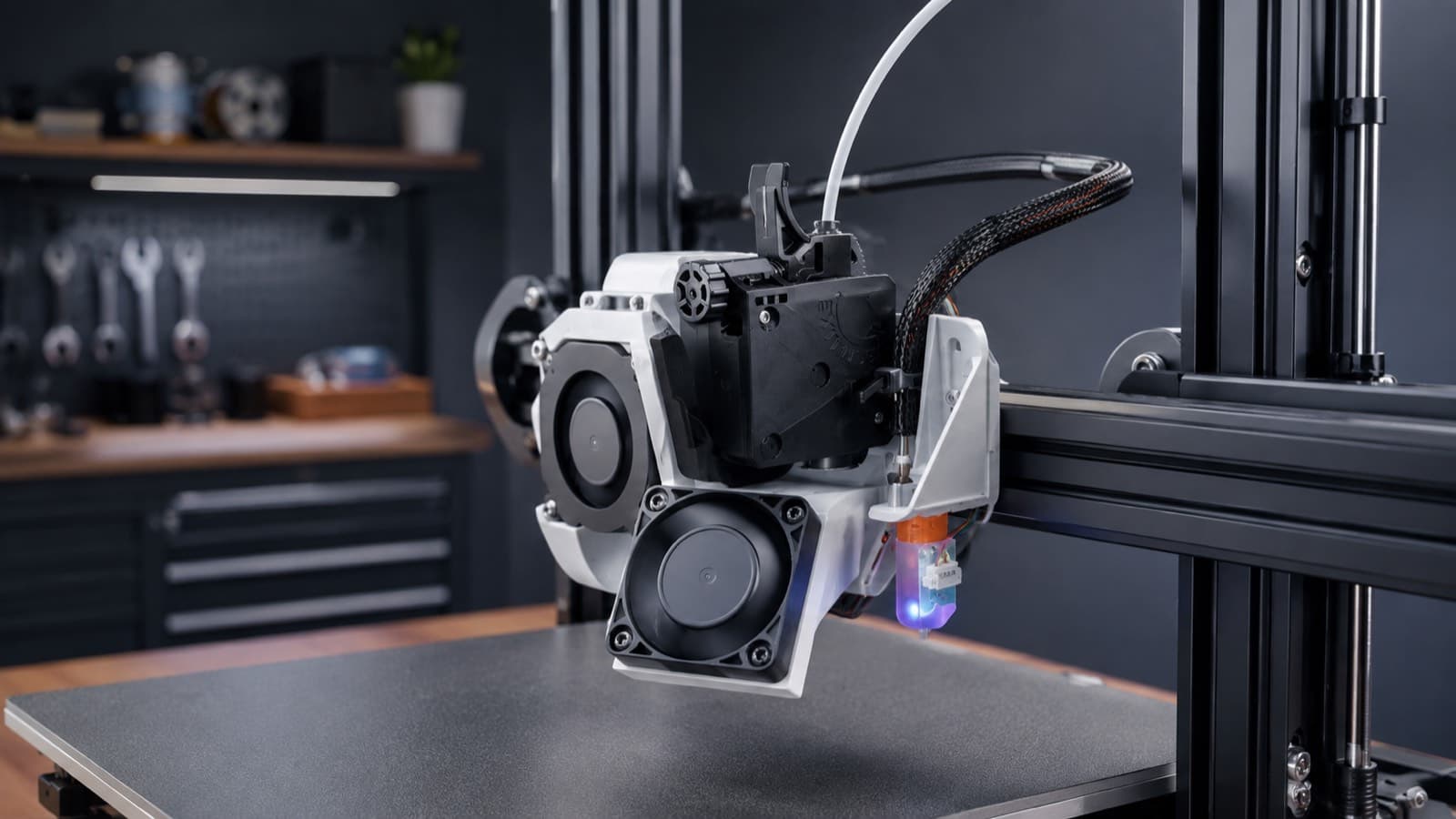
Build and integrate an existing multi-material unit using hardware already available in the lab. Print required components, assemble the mechanism, install/configure firmware, integrate it with a printer, calibrate filament handling, and produce successful multi-material prints.
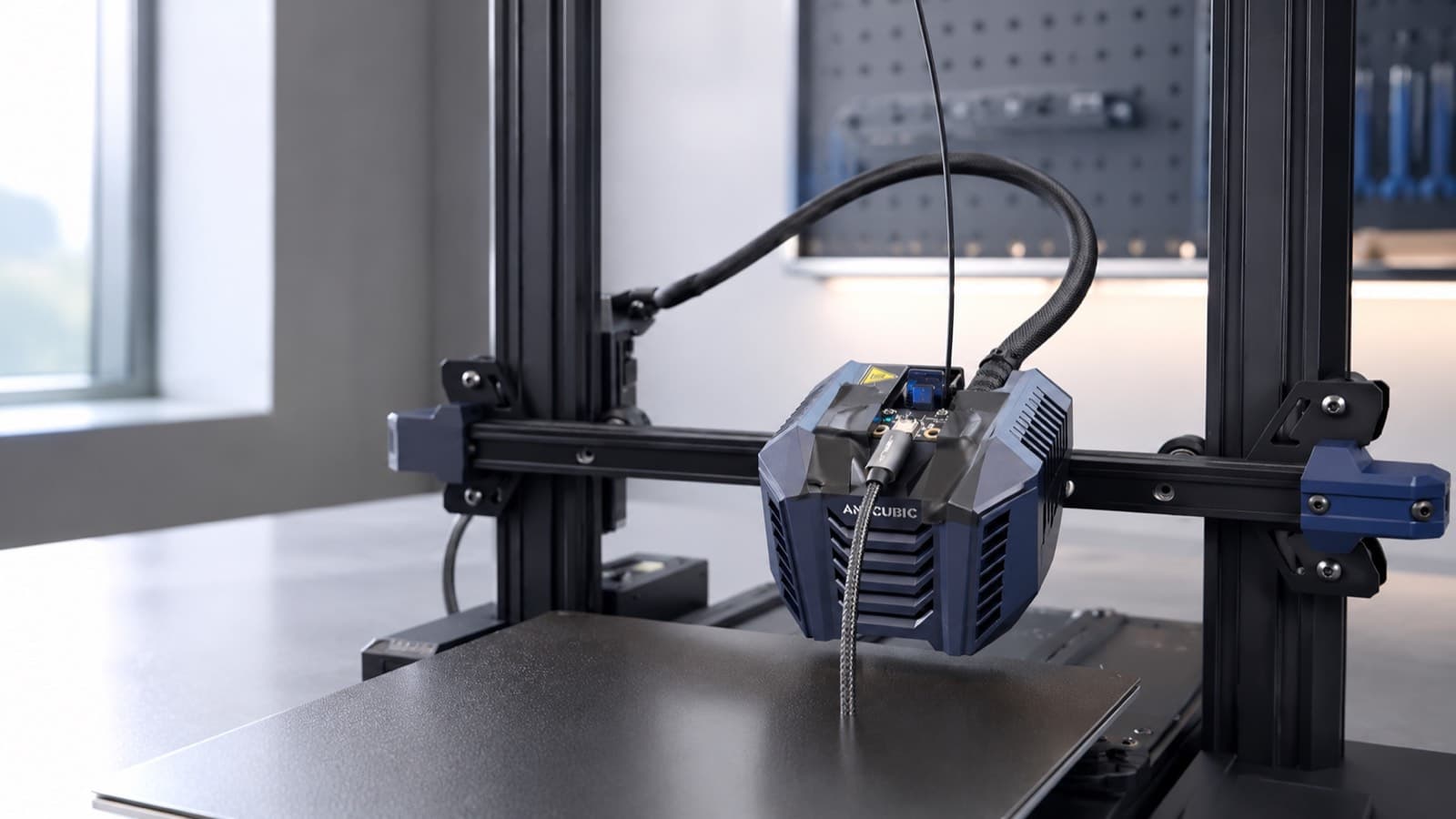
Build and test a system that converts PET bottles into usable 3D-printer filament. Print and assemble the required components, connect electronics, test different bottle preparation and processing methods, and develop a repeatable production workflow.
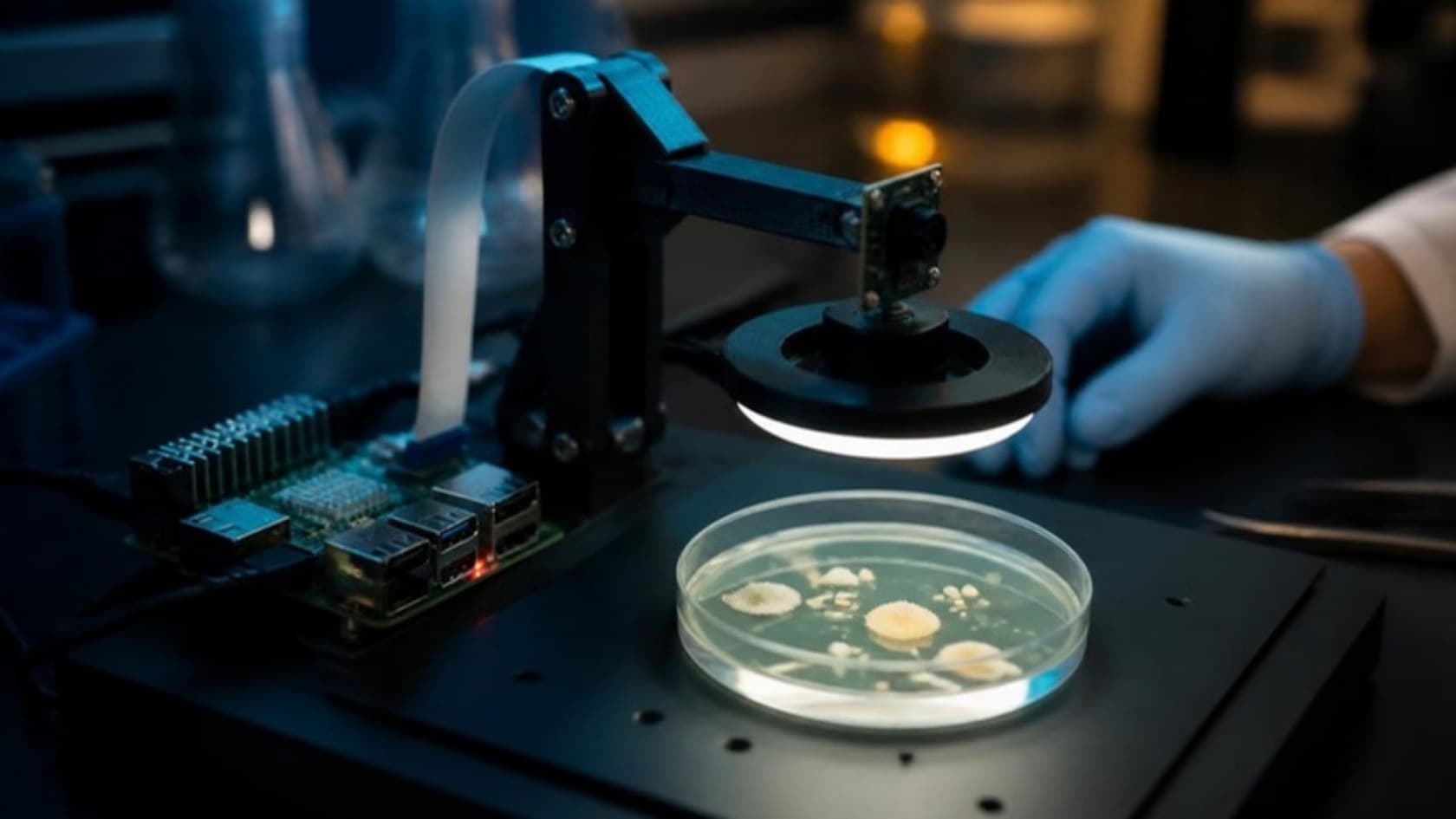
A bench-top imaging station that counts bacterial and yeast colonies in seconds and logs results by voice, with all lab data kept on the device. Built on its own Arduino VENTUNO Q. No experience needed to join.
